Encryption
Solution
with QUANTUM-RESILIANT ALGORITHM
This system delivers a completely hardware-only encryption platform designed to remain secure even in the quantum era. While traditional public-key and software-based methods are becoming increasingly vulnerable, our architecture is post-quantum resistant by design.
Feature #1
Layer-2 Encryption
Encryption at Layer 2 is performed at line rate, concealing MAC addresses, IP headers, and VLAN tags. This ensures that packets in the LAN remain cryptographically unique and protected with minimal latency.
Feature #2
UDP Tunneling
The fully encrypted Layer 2 frame is encapsulated in UDP at Layer 4, enabling it to traverse any Internet service provider while preserving security and compatibility.
Feature #3
Minimal Overhead
Each encrypted frame adds only 96 bytes of overhead, ensuring efficient bandwidth utilization without burdening the network.
Feature #4
Throughput
1 Gbps to 400 Gbps
Our devices support throughput from 1 Gb/s to 400 Gb/s in full duplex mode, delivering simultaneous line-rate encryption and decryption across the entire product family, from energy-efficient edge Clients to high-capacity Relays.
Feature #5
MTU
9600 Bytes
Maximum Transmission Unit (MTU) up to 9600 bytes, enabling efficient transfer of large volumes of data with minimal overhead. This is particularly useful for optimising the transfer of large files or data streams.
Feature #6
Latency
<1 milisecond
Our systems maintain deterministic latency below one millisecond, ensuring real-time responsiveness. Encryption and decryption occur at line rate, so performance remains uncompromised even under full network load.
Feature #7
Encryption Algorithm
It utilizes a proprietary symmetric encryption algorithm based on AES256 GCM (Galois/Counter Mode), known for its strong security and efficiency. The hardware pipeline implementation ensures that encryption and decryption operations can be performed at 10G throughput while consuming low energy.
Feature #8
Unique keys
Each cryptographic tunnel established by the device has a unique key on both the transmitting and receiving sides. This one-way key approach enhances security for each tunnel, minimising the risk of key compromise affecting other tunnels.
Feature #9
Parallel Tunnels
Our systems support up to 256 cryptographic tunnels operating in parallel, each isolated with dedicated hardware resources. Modular upgrades extend this capacity to 1,000 tunnels, enabling secure, efficient parallel connectivity even in the most complex network environments.
Feature #1
Layer-2 Encryption
Encryption at Layer 2 is performed at line rate, concealing MAC addresses, IP headers, and VLAN tags. This ensures that packets in the LAN remain cryptographically unique and protected with minimal latency.
Feature #2
UDP Tunneling
The fully encrypted Layer 2 frame is encapsulated in UDP at Layer 4, enabling it to traverse any Internet service provider while preserving security and compatibility.
Feature #3
Minimal Overhead
Each encrypted frame adds only 96 bytes of overhead, ensuring efficient bandwidth utilization without burdening the network.
Feature #4
Throughput
1 Gbps to 400 Gbps
Our devices support throughput from 1 Gb/s to 400 Gb/s in full duplex mode, delivering simultaneous line-rate encryption and decryption across the entire product family, from energy-efficient edge Clients to high-capacity Relays.
Feature #5
MTU
9600 Bytes
Maximum Transmission Unit (MTU) up to 9600 bytes, enabling efficient transfer of large volumes of data with minimal overhead. This is particularly useful for optimising the transfer of large files or data streams.
Feature #6
Latency
<1 milisecond
Our systems maintain deterministic latency below one millisecond, ensuring real-time responsiveness. Encryption and decryption occur at line rate, so performance remains uncompromised even under full network load.
Feature #7
Encryption Algorithm
It utilizes a proprietary symmetric encryption algorithm based on AES256 GCM (Galois/Counter Mode), known for its strong security and efficiency. The hardware pipeline implementation ensures that encryption and decryption operations can be performed at 10G throughput while consuming low energy.
Feature #8
Unique keys
Each cryptographic tunnel established by the device has a unique key on both the transmitting and receiving sides. This one-way key approach enhances security for each tunnel, minimising the risk of key compromise affecting other tunnels.
Feature #9
Parallel Tunnels
Our systems support up to 256 cryptographic tunnels operating in parallel, each isolated with dedicated hardware resources. Modular upgrades extend this capacity to 1,000 tunnels, enabling secure, efficient parallel connectivity even in the most complex network environments.
Feature #1
Layer-2 Encryption
Encryption at Layer 2 is performed at line rate, concealing MAC addresses, IP headers, and VLAN tags. This ensures that packets in the LAN remain cryptographically unique and protected with minimal latency.
Feature #2
UDP Tunneling
The fully encrypted Layer 2 frame is encapsulated in UDP at Layer 4, enabling it to traverse any Internet service provider while preserving security and compatibility.
Feature #3
Minimal Overhead
Each encrypted frame adds only 96 bytes of overhead, ensuring efficient bandwidth utilization without burdening the network.
Feature #4
Throughput
1 Gbps to 400 Gbps
Our devices support throughput from 1 Gb/s to 400 Gb/s in full duplex mode, delivering simultaneous line-rate encryption and decryption across the entire product family, from energy-efficient edge Clients to high-capacity Relays.
Feature #5
MTU
9600 Bytes
Maximum Transmission Unit (MTU) up to 9600 bytes, enabling efficient transfer of large volumes of data with minimal overhead. This is particularly useful for optimising the transfer of large files or data streams.
Feature #6
Latency
<1 milisecond
Our systems maintain deterministic latency below one millisecond, ensuring real-time responsiveness. Encryption and decryption occur at line rate, so performance remains uncompromised even under full network load.
Feature #7
Encryption Algorithm
It utilizes a proprietary symmetric encryption algorithm based on AES256 GCM (Galois/Counter Mode), known for its strong security and efficiency. The hardware pipeline implementation ensures that encryption and decryption operations can be performed at 10G throughput while consuming low energy.
Feature #8
Unique keys
Each cryptographic tunnel established by the device has a unique key on both the transmitting and receiving sides. This one-way key approach enhances security for each tunnel, minimising the risk of key compromise affecting other tunnels.
Feature #9
Parallel Tunnels
Our systems support up to 256 cryptographic tunnels operating in parallel, each isolated with dedicated hardware resources. Modular upgrades extend this capacity to 1,000 tunnels, enabling secure, efficient parallel connectivity even in the most complex network environments.
Feature #1
Layer-2 Encryption
Encryption at Layer 2 is performed at line rate, concealing MAC addresses, IP headers, and VLAN tags. This ensures that packets in the LAN remain cryptographically unique and protected with minimal latency.
Feature #2
UDP Tunneling
The fully encrypted Layer 2 frame is encapsulated in UDP at Layer 4, enabling it to traverse any Internet service provider while preserving security and compatibility.
Feature #3
Minimal Overhead
Each encrypted frame adds only 96 bytes of overhead, ensuring efficient bandwidth utilization without burdening the network.
Feature #4
Throughput
1 Gbps to 400 Gbps
Our devices support throughput from 1 Gb/s to 400 Gb/s in full duplex mode, delivering simultaneous line-rate encryption and decryption across the entire product family, from energy-efficient edge Clients to high-capacity Relays.
Feature #5
MTU
9600 Bytes
Maximum Transmission Unit (MTU) up to 9600 bytes, enabling efficient transfer of large volumes of data with minimal overhead. This is particularly useful for optimising the transfer of large files or data streams.
Feature #6
Latency
<1 milisecond
Our systems maintain deterministic latency below one millisecond, ensuring real-time responsiveness. Encryption and decryption occur at line rate, so performance remains uncompromised even under full network load.
Feature #7
Encryption Algorithm
It utilizes a proprietary symmetric encryption algorithm based on AES256 GCM (Galois/Counter Mode), known for its strong security and efficiency. The hardware pipeline implementation ensures that encryption and decryption operations can be performed at 10G throughput while consuming low energy.
Feature #8
Unique keys
Each cryptographic tunnel established by the device has a unique key on both the transmitting and receiving sides. This one-way key approach enhances security for each tunnel, minimising the risk of key compromise affecting other tunnels.
Feature #9
Parallel Tunnels
Our systems support up to 256 cryptographic tunnels operating in parallel, each isolated with dedicated hardware resources. Modular upgrades extend this capacity to 1,000 tunnels, enabling secure, efficient parallel connectivity even in the most complex network environments.
Feature #1
Layer-2 Encryption
Encryption at Layer 2 is performed at line rate, concealing MAC addresses, IP headers, and VLAN tags. This ensures that packets in the LAN remain cryptographically unique and protected with minimal latency.
Feature #2
UDP Tunneling
The fully encrypted Layer 2 frame is encapsulated in UDP at Layer 4, enabling it to traverse any Internet service provider while preserving security and compatibility.
Feature #3
Minimal Overhead
Each encrypted frame adds only 96 bytes of overhead, ensuring efficient bandwidth utilization without burdening the network.
Feature #4
Throughput
1 Gbps to 400 Gbps
Our devices support throughput from 1 Gb/s to 400 Gb/s in full duplex mode, delivering simultaneous line-rate encryption and decryption across the entire product family, from energy-efficient edge Clients to high-capacity Relays.
Feature #5
MTU
9600 Bytes
Maximum Transmission Unit (MTU) up to 9600 bytes, enabling efficient transfer of large volumes of data with minimal overhead. This is particularly useful for optimising the transfer of large files or data streams.
Feature #6
Latency
<1 milisecond
Our systems maintain deterministic latency below one millisecond, ensuring real-time responsiveness. Encryption and decryption occur at line rate, so performance remains uncompromised even under full network load.
Feature #7
Encryption Algorithm
It utilizes a proprietary symmetric encryption algorithm based on AES256 GCM (Galois/Counter Mode), known for its strong security and efficiency. The hardware pipeline implementation ensures that encryption and decryption operations can be performed at 10G throughput while consuming low energy.
Feature #8
Unique keys
Each cryptographic tunnel established by the device has a unique key on both the transmitting and receiving sides. This one-way key approach enhances security for each tunnel, minimising the risk of key compromise affecting other tunnels.
Feature #9
Parallel Tunnels
Our systems support up to 256 cryptographic tunnels operating in parallel, each isolated with dedicated hardware resources. Modular upgrades extend this capacity to 1,000 tunnels, enabling secure, efficient parallel connectivity even in the most complex network environments.
Feature #1
Layer-2 Encryption
Encryption at Layer 2 is performed at line rate, concealing MAC addresses, IP headers, and VLAN tags. This ensures that packets in the LAN remain cryptographically unique and protected with minimal latency.
Feature #2
UDP Tunneling
The fully encrypted Layer 2 frame is encapsulated in UDP at Layer 4, enabling it to traverse any Internet service provider while preserving security and compatibility.
Feature #3
Minimal Overhead
Each encrypted frame adds only 96 bytes of overhead, ensuring efficient bandwidth utilization without burdening the network.
Feature #4
Throughput
1 Gbps to 400 Gbps
Our devices support throughput from 1 Gb/s to 400 Gb/s in full duplex mode, delivering simultaneous line-rate encryption and decryption across the entire product family, from energy-efficient edge Clients to high-capacity Relays.
Feature #5
MTU
9600 Bytes
Maximum Transmission Unit (MTU) up to 9600 bytes, enabling efficient transfer of large volumes of data with minimal overhead. This is particularly useful for optimising the transfer of large files or data streams.
Feature #6
Latency
<1 milisecond
Our systems maintain deterministic latency below one millisecond, ensuring real-time responsiveness. Encryption and decryption occur at line rate, so performance remains uncompromised even under full network load.
Feature #7
Encryption Algorithm
It utilizes a proprietary symmetric encryption algorithm based on AES256 GCM (Galois/Counter Mode), known for its strong security and efficiency. The hardware pipeline implementation ensures that encryption and decryption operations can be performed at 10G throughput while consuming low energy.
Feature #8
Unique keys
Each cryptographic tunnel established by the device has a unique key on both the transmitting and receiving sides. This one-way key approach enhances security for each tunnel, minimising the risk of key compromise affecting other tunnels.
Feature #9
Parallel Tunnels
Our systems support up to 256 cryptographic tunnels operating in parallel, each isolated with dedicated hardware resources. Modular upgrades extend this capacity to 1,000 tunnels, enabling secure, efficient parallel connectivity even in the most complex network environments.
Feature #1
Layer-2 Encryption
Encryption at Layer 2 is performed at line rate, concealing MAC addresses, IP headers, and VLAN tags. This ensures that packets in the LAN remain cryptographically unique and protected with minimal latency.
Feature #2
UDP Tunneling
The fully encrypted Layer 2 frame is encapsulated in UDP at Layer 4, enabling it to traverse any Internet service provider while preserving security and compatibility.
Feature #3
Minimal Overhead
Each encrypted frame adds only 96 bytes of overhead, ensuring efficient bandwidth utilization without burdening the network.
Feature #4
Throughput
1 Gbps to 400 Gbps
Our devices support throughput from 1 Gb/s to 400 Gb/s in full duplex mode, delivering simultaneous line-rate encryption and decryption across the entire product family, from energy-efficient edge Clients to high-capacity Relays.
Feature #5
MTU
9600 Bytes
Maximum Transmission Unit (MTU) up to 9600 bytes, enabling efficient transfer of large volumes of data with minimal overhead. This is particularly useful for optimising the transfer of large files or data streams.
Feature #6
Latency
<1 milisecond
Our systems maintain deterministic latency below one millisecond, ensuring real-time responsiveness. Encryption and decryption occur at line rate, so performance remains uncompromised even under full network load.
Feature #7
Encryption Algorithm
It utilizes a proprietary symmetric encryption algorithm based on AES256 GCM (Galois/Counter Mode), known for its strong security and efficiency. The hardware pipeline implementation ensures that encryption and decryption operations can be performed at 10G throughput while consuming low energy.
Feature #8
Unique keys
Each cryptographic tunnel established by the device has a unique key on both the transmitting and receiving sides. This one-way key approach enhances security for each tunnel, minimising the risk of key compromise affecting other tunnels.
Feature #9
Parallel Tunnels
Our systems support up to 256 cryptographic tunnels operating in parallel, each isolated with dedicated hardware resources. Modular upgrades extend this capacity to 1,000 tunnels, enabling secure, efficient parallel connectivity even in the most complex network environments.
Feature #1
Layer-2 Encryption
Encryption at Layer 2 is performed at line rate, concealing MAC addresses, IP headers, and VLAN tags. This ensures that packets in the LAN remain cryptographically unique and protected with minimal latency.
Feature #2
UDP Tunneling
The fully encrypted Layer 2 frame is encapsulated in UDP at Layer 4, enabling it to traverse any Internet service provider while preserving security and compatibility.
Feature #3
Minimal Overhead
Each encrypted frame adds only 96 bytes of overhead, ensuring efficient bandwidth utilization without burdening the network.
Feature #4
Throughput
1 Gbps to 400 Gbps
Our devices support throughput from 1 Gb/s to 400 Gb/s in full duplex mode, delivering simultaneous line-rate encryption and decryption across the entire product family, from energy-efficient edge Clients to high-capacity Relays.
Feature #5
MTU
9600 Bytes
Maximum Transmission Unit (MTU) up to 9600 bytes, enabling efficient transfer of large volumes of data with minimal overhead. This is particularly useful for optimising the transfer of large files or data streams.
Feature #6
Latency
<1 milisecond
Our systems maintain deterministic latency below one millisecond, ensuring real-time responsiveness. Encryption and decryption occur at line rate, so performance remains uncompromised even under full network load.
Feature #7
Encryption Algorithm
It utilizes a proprietary symmetric encryption algorithm based on AES256 GCM (Galois/Counter Mode), known for its strong security and efficiency. The hardware pipeline implementation ensures that encryption and decryption operations can be performed at 10G throughput while consuming low energy.
Feature #8
Unique keys
Each cryptographic tunnel established by the device has a unique key on both the transmitting and receiving sides. This one-way key approach enhances security for each tunnel, minimising the risk of key compromise affecting other tunnels.
Feature #9
Parallel Tunnels
Our systems support up to 256 cryptographic tunnels operating in parallel, each isolated with dedicated hardware resources. Modular upgrades extend this capacity to 1,000 tunnels, enabling secure, efficient parallel connectivity even in the most complex network environments.
Feature #1
Layer-2 Encryption
Encryption at Layer 2 is performed at line rate, concealing MAC addresses, IP headers, and VLAN tags. This ensures that packets in the LAN remain cryptographically unique and protected with minimal latency.
Feature #2
UDP Tunneling
The fully encrypted Layer 2 frame is encapsulated in UDP at Layer 4, enabling it to traverse any Internet service provider while preserving security and compatibility.
Feature #3
Minimal Overhead
Each encrypted frame adds only 96 bytes of overhead, ensuring efficient bandwidth utilization without burdening the network.
Feature #4
Throughput
1 Gbps to 400 Gbps
Our devices support throughput from 1 Gb/s to 400 Gb/s in full duplex mode, delivering simultaneous line-rate encryption and decryption across the entire product family, from energy-efficient edge Clients to high-capacity Relays.
Feature #5
MTU
9600 Bytes
Maximum Transmission Unit (MTU) up to 9600 bytes, enabling efficient transfer of large volumes of data with minimal overhead. This is particularly useful for optimising the transfer of large files or data streams.
Feature #6
Latency
<1 milisecond
Our systems maintain deterministic latency below one millisecond, ensuring real-time responsiveness. Encryption and decryption occur at line rate, so performance remains uncompromised even under full network load.
Feature #7
Encryption Algorithm
It utilizes a proprietary symmetric encryption algorithm based on AES256 GCM (Galois/Counter Mode), known for its strong security and efficiency. The hardware pipeline implementation ensures that encryption and decryption operations can be performed at 10G throughput while consuming low energy.
Feature #8
Unique keys
Each cryptographic tunnel established by the device has a unique key on both the transmitting and receiving sides. This one-way key approach enhances security for each tunnel, minimising the risk of key compromise affecting other tunnels.
Feature #9
Parallel Tunnels
Our systems support up to 256 cryptographic tunnels operating in parallel, each isolated with dedicated hardware resources. Modular upgrades extend this capacity to 1,000 tunnels, enabling secure, efficient parallel connectivity even in the most complex network environments.
Feature #1
Layer-2 Encryption
Encryption at Layer 2 is performed at line rate, concealing MAC addresses, IP headers, and VLAN tags. This ensures that packets in the LAN remain cryptographically unique and protected with minimal latency.
Feature #2
UDP Tunneling
The fully encrypted Layer 2 frame is encapsulated in UDP at Layer 4, enabling it to traverse any Internet service provider while preserving security and compatibility.
Feature #3
Minimal Overhead
Each encrypted frame adds only 96 bytes of overhead, ensuring efficient bandwidth utilization without burdening the network.
Feature #4
Throughput
1 Gbps to 400 Gbps
Our devices support throughput from 1 Gb/s to 400 Gb/s in full duplex mode, delivering simultaneous line-rate encryption and decryption across the entire product family, from energy-efficient edge Clients to high-capacity Relays.
Feature #5
MTU
9600 Bytes
Maximum Transmission Unit (MTU) up to 9600 bytes, enabling efficient transfer of large volumes of data with minimal overhead. This is particularly useful for optimising the transfer of large files or data streams.
Feature #6
Latency
<1 milisecond
Our systems maintain deterministic latency below one millisecond, ensuring real-time responsiveness. Encryption and decryption occur at line rate, so performance remains uncompromised even under full network load.
Feature #7
Encryption Algorithm
It utilizes a proprietary symmetric encryption algorithm based on AES256 GCM (Galois/Counter Mode), known for its strong security and efficiency. The hardware pipeline implementation ensures that encryption and decryption operations can be performed at 10G throughput while consuming low energy.
Feature #8
Unique keys
Each cryptographic tunnel established by the device has a unique key on both the transmitting and receiving sides. This one-way key approach enhances security for each tunnel, minimising the risk of key compromise affecting other tunnels.
Feature #9
Parallel Tunnels
Our systems support up to 256 cryptographic tunnels operating in parallel, each isolated with dedicated hardware resources. Modular upgrades extend this capacity to 1,000 tunnels, enabling secure, efficient parallel connectivity even in the most complex network environments.
Feature #1
Layer-2 Encryption
Encryption at Layer 2 is performed at line rate, concealing MAC addresses, IP headers, and VLAN tags. This ensures that packets in the LAN remain cryptographically unique and protected with minimal latency.
Feature #2
UDP Tunneling
The fully encrypted Layer 2 frame is encapsulated in UDP at Layer 4, enabling it to traverse any Internet service provider while preserving security and compatibility.
Feature #3
Minimal Overhead
Each encrypted frame adds only 96 bytes of overhead, ensuring efficient bandwidth utilization without burdening the network.
Feature #4
Throughput
1 Gbps to 400 Gbps
Our devices support throughput from 1 Gb/s to 400 Gb/s in full duplex mode, delivering simultaneous line-rate encryption and decryption across the entire product family, from energy-efficient edge Clients to high-capacity Relays.
Feature #5
MTU
9600 Bytes
Maximum Transmission Unit (MTU) up to 9600 bytes, enabling efficient transfer of large volumes of data with minimal overhead. This is particularly useful for optimising the transfer of large files or data streams.
Feature #6
Latency
<1 milisecond
Our systems maintain deterministic latency below one millisecond, ensuring real-time responsiveness. Encryption and decryption occur at line rate, so performance remains uncompromised even under full network load.
Feature #7
Encryption Algorithm
It utilizes a proprietary symmetric encryption algorithm based on AES256 GCM (Galois/Counter Mode), known for its strong security and efficiency. The hardware pipeline implementation ensures that encryption and decryption operations can be performed at 10G throughput while consuming low energy.
Feature #8
Unique keys
Each cryptographic tunnel established by the device has a unique key on both the transmitting and receiving sides. This one-way key approach enhances security for each tunnel, minimising the risk of key compromise affecting other tunnels.
Feature #9
Parallel Tunnels
Our systems support up to 256 cryptographic tunnels operating in parallel, each isolated with dedicated hardware resources. Modular upgrades extend this capacity to 1,000 tunnels, enabling secure, efficient parallel connectivity even in the most complex network environments.
Feature #1
Layer-2 Encryption
Encryption at Layer 2 is performed at line rate, concealing MAC addresses, IP headers, and VLAN tags. This ensures that packets in the LAN remain cryptographically unique and protected with minimal latency.
Feature #2
UDP Tunneling
The fully encrypted Layer 2 frame is encapsulated in UDP at Layer 4, enabling it to traverse any Internet service provider while preserving security and compatibility.
Feature #3
Minimal Overhead
Each encrypted frame adds only 96 bytes of overhead, ensuring efficient bandwidth utilization without burdening the network.
Feature #4
Throughput
1 Gbps to 400 Gbps
Our devices support throughput from 1 Gb/s to 400 Gb/s in full duplex mode, delivering simultaneous line-rate encryption and decryption across the entire product family, from energy-efficient edge Clients to high-capacity Relays.
Feature #5
MTU
9600 Bytes
Maximum Transmission Unit (MTU) up to 9600 bytes, enabling efficient transfer of large volumes of data with minimal overhead. This is particularly useful for optimising the transfer of large files or data streams.
Feature #6
Latency
<1 milisecond
Our systems maintain deterministic latency below one millisecond, ensuring real-time responsiveness. Encryption and decryption occur at line rate, so performance remains uncompromised even under full network load.
Feature #7
Encryption Algorithm
It utilizes a proprietary symmetric encryption algorithm based on AES256 GCM (Galois/Counter Mode), known for its strong security and efficiency. The hardware pipeline implementation ensures that encryption and decryption operations can be performed at 10G throughput while consuming low energy.
Feature #8
Unique keys
Each cryptographic tunnel established by the device has a unique key on both the transmitting and receiving sides. This one-way key approach enhances security for each tunnel, minimising the risk of key compromise affecting other tunnels.
Feature #9
Parallel Tunnels
Our systems support up to 256 cryptographic tunnels operating in parallel, each isolated with dedicated hardware resources. Modular upgrades extend this capacity to 1,000 tunnels, enabling secure, efficient parallel connectivity even in the most complex network environments.
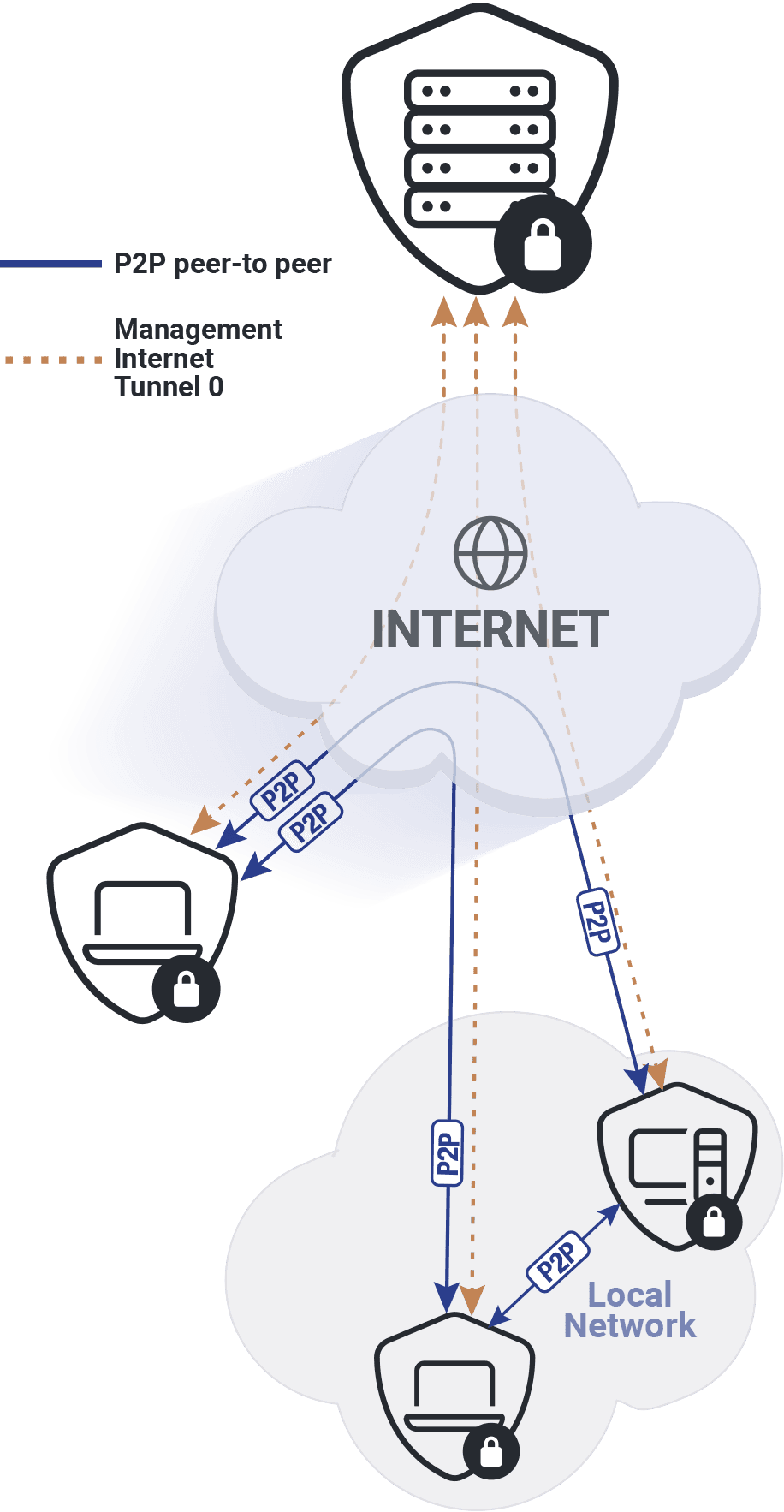
System
Architecture
Two core devices form the foundation of this solution: the Relay (Encrypted Network Manager) and the Client encryption unit. Both operate entirely in FPGA hardware, eliminating software vulnerabilities and guaranteeing deterministic performance.
Our encryption framework is built on a customized symmetric algorithm that extends beyond the standard AES pipeline. This enhancement introduces additional layers of security, delivering long-term resilience against both classical and emerging quantum attacks
The system integrates our Proprietary Pure TRNG (PP-TRNG) which supplies true entropy for every key, initialization vector, and cryptographic operation.
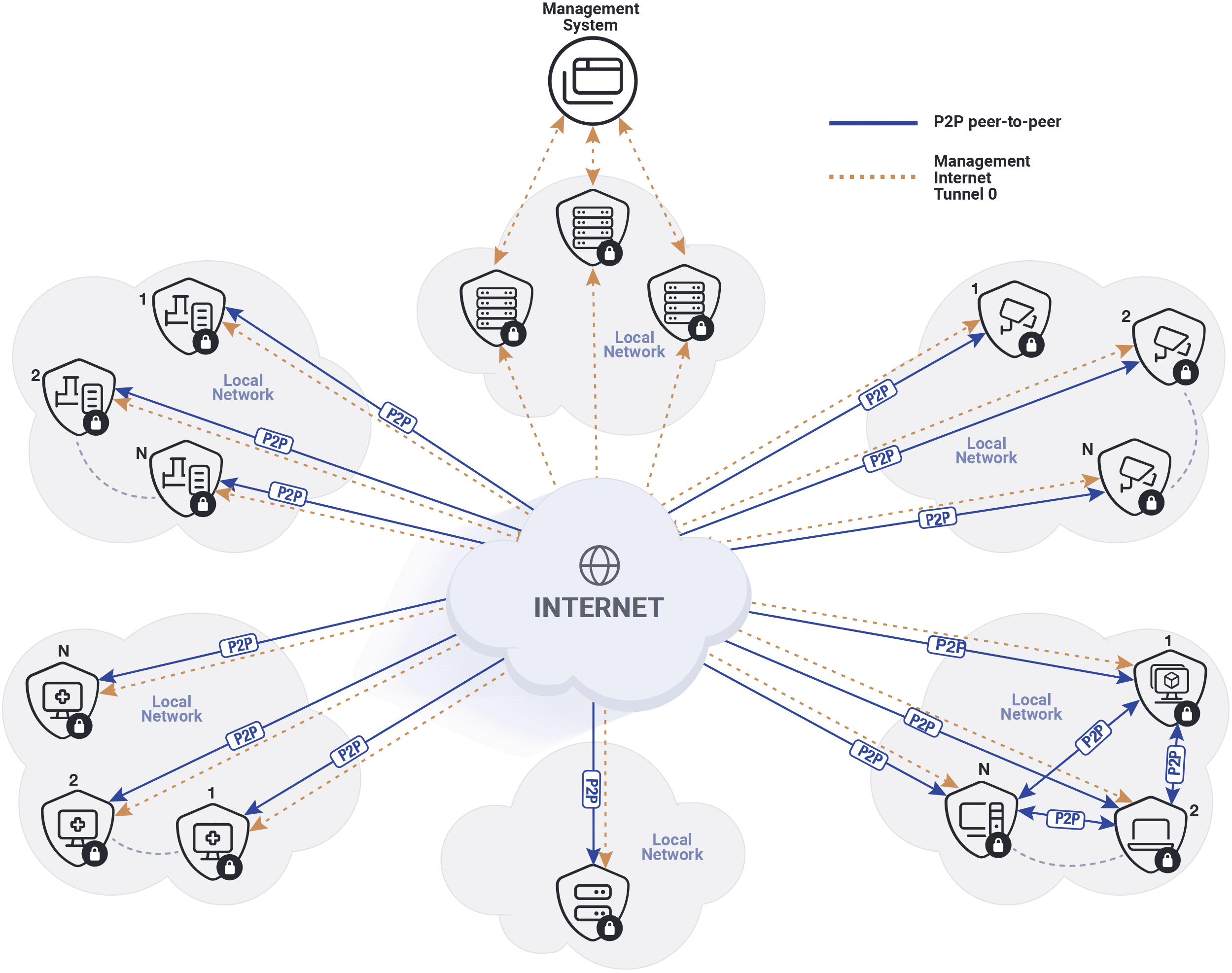
Our system establishes direct peer-to-peer tunnels between Clients using advanced UDP hole-punching. Even when devices are hidden behind NATs, VPNs, or restrictive firewalls, the Relay intelligently coordinates the initial handshake, allowing Clients to bypass traditional barriers and form secure, low-latency connections.
Compatible with all operating systems — The solution runs seamlessly across all operating systems, ensuring broad accessibility without compromising performance or security.
WHY FPGA?
WHY FPGA?
WHY FPGA?
An FPGA (Field-Programmable Gate Array) is a reconfigurable semiconductor device that can be programmed at the hardware level to perform custom digital logic.
An FPGA (Field-Programmable Gate Array) is a reconfigurable semiconductor device that can be programmed at the hardware level to perform custom digital logic.
An FPGA (Field-Programmable Gate Array) is a reconfigurable semiconductor device that can be programmed at the hardware level to perform custom digital logic.
Bitstream-Defined Protection
Unlike CPUs or GPUs that rely on fixed architectures and software, an FPGA defines the hardware itself through a bitstream configuration file, making it function as a dedicated custom chip.
Bitstream-Defined Protection
Unlike CPUs or GPUs that rely on fixed architectures and software, an FPGA defines the hardware itself through a bitstream configuration file, making it function as a dedicated custom chip.
Bitstream-Defined Protection
Unlike CPUs or GPUs that rely on fixed architectures and software, an FPGA defines the hardware itself through a bitstream configuration file, making it function as a dedicated custom chip.
OS Less
All core functions—packet parsing, key management, and encryption—are executed directly in hardware. With no operating system or software stack present, software vulnerabilities are eliminated, the attack surface is minimized, and deterministic performance with fixed latency and throughput is guaranteed.
OS Less
All core functions—packet parsing, key management, and encryption—are executed directly in hardware. With no operating system or software stack present, software vulnerabilities are eliminated, the attack surface is minimized, and deterministic performance with fixed latency and throughput is guaranteed.
OS Less
All core functions—packet parsing, key management, and encryption—are executed directly in hardware. With no operating system or software stack present, software vulnerabilities are eliminated, the attack surface is minimized, and deterministic performance with fixed latency and throughput is guaranteed.
Flexible Hardware, Fixed Security
Unlike ASICs, FPGAs can be securely updated by loading cryptographically signed bitstreams, combining flexibility with security. Their parallel processing capability enables thousands of simultaneous operations, making them ideal for high-speed, low-power encryption at line rate.
Flexible Hardware, Fixed Security
Unlike ASICs, FPGAs can be securely updated by loading cryptographically signed bitstreams, combining flexibility with security. Their parallel processing capability enables thousands of simultaneous operations, making them ideal for high-speed, low-power encryption at line rate.
Flexible Hardware, Fixed Security
Unlike ASICs, FPGAs can be securely updated by loading cryptographically signed bitstreams, combining flexibility with security. Their parallel processing capability enables thousands of simultaneous operations, making them ideal for high-speed, low-power encryption at line rate.
Quantum-Resistant
In this system, a proprietary encryption pipeline combined with a Proprietary Pure TRNG is embedded directly in FPGA logic, ensuring post-quantum resilience by avoiding reliance on vulnerable mathematical assumptions of software-based or asymmetric cryptography
Quantum-Resistant
In this system, a proprietary encryption pipeline combined with a Proprietary Pure TRNG is embedded directly in FPGA logic, ensuring post-quantum resilience by avoiding reliance on vulnerable mathematical assumptions of software-based or asymmetric cryptography
Quantum-Resistant
In this system, a proprietary encryption pipeline combined with a Proprietary Pure TRNG is embedded directly in FPGA logic, ensuring post-quantum resilience by avoiding reliance on vulnerable mathematical assumptions of software-based or asymmetric cryptography
Cryptographic Engine
Our system employs a proprietary symmetric algorithm based on AES-GCM, customized and extended for post-quantum resilience.
Proprietary Symmetric Algorithm
Proprietary Symmetric Algorithm
Standard AES uses 14+1 rounds; our pipeline is extended to 17+1 rounds, a mathematically proven improvement that doubles the resources required for each additional round and ensures protection against foreseeable quantum threats.
Standard AES uses 14+1 rounds; our pipeline is extended to 17+1 rounds, a mathematically proven improvement that doubles the resources required for each additional round and ensures protection against foreseeable quantum threats.
S-Box lookup table
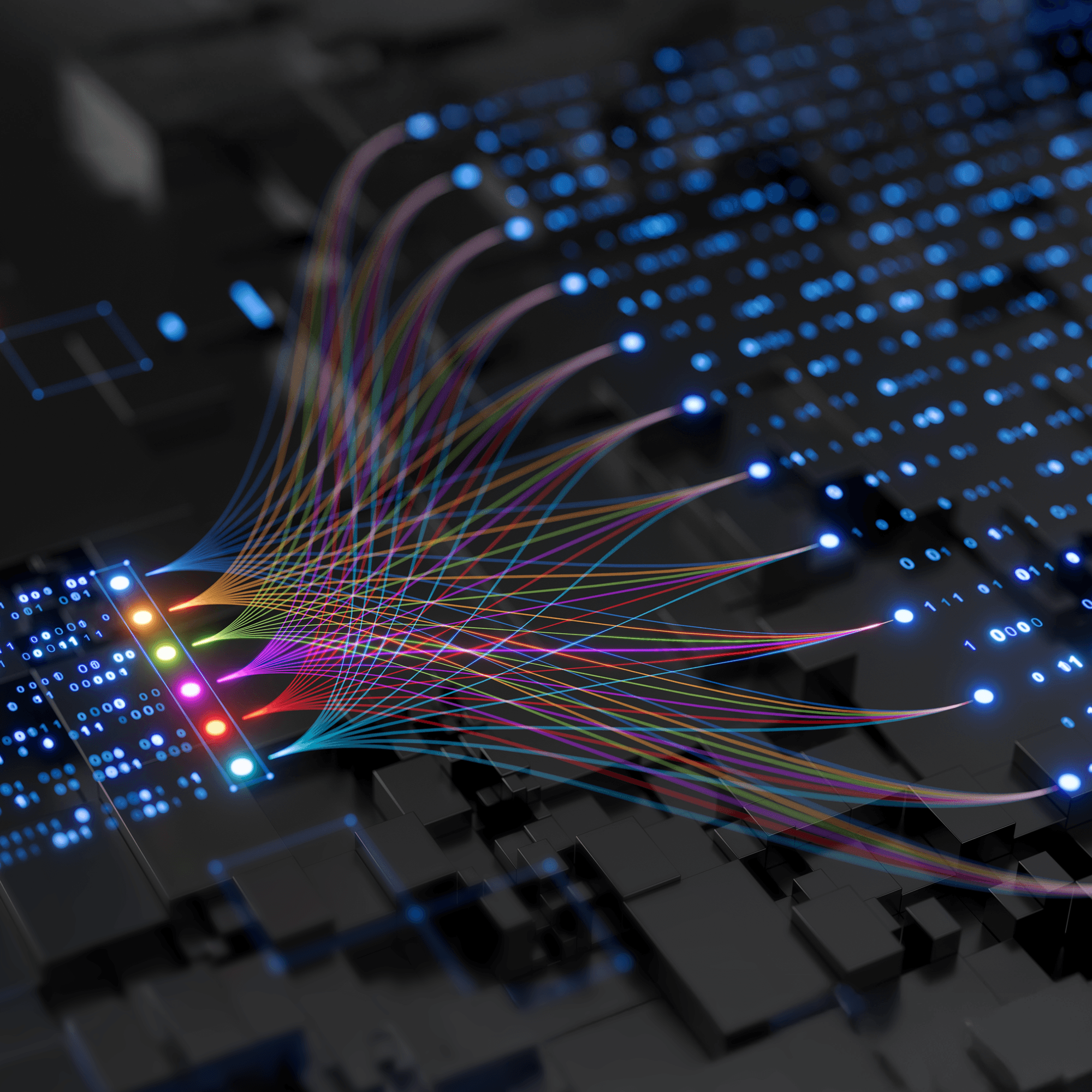
A configurable S-Box lookup table of 256 bytes allows personalization and additional resistance to cryptanalysis. To further isolate communication paths, every tunnel uses independent transmit and receive keys. Even if one direction of communication were compromised, the opposite direction remains secure.
Proprietary Pure TRNG
(PP-TRNG)
Proprietary Pure TRNG
(PP-TRNG)
PP-TRNG guarantees that all keys and IVs are truly random, not predictable, and pass all required standards. This randomness ensures every packet is unique and prevents replay or predictive attacks, even under quantum analysis.
PP-TRNG guarantees that all keys and IVs are truly random, not predictable, and pass all required standards. This randomness ensures every packet is unique and prevents replay or predictive attacks, even under quantum analysis.

Relay
Encrypted Network Manager
Relay
Encrypted Network Manager
The Relay serves as the hardened broker of encrypted tunnels, exposing only a single port while managing global connectivity. The Client provides high-performance, energy-efficient encryption at the edge, enabling secure peer-to-peer communication with ultra-low latency.
Together they form a communication fabric that is resilient, scalable, and future-proof.

The Network Orchestrator
The Relay is the orchestrator of the secure communication network.
It is deployed in a protected segment, exposing only a single UDP port to the Internet while all other interfaces remain isolated and firewalled.
The Network Orchestrator
The Relay is the orchestrator of the secure communication network.
It is deployed in a protected segment, exposing only a single UDP port to the Internet while all other interfaces remain isolated and firewalled.
The Network Orchestrator
The Relay is the orchestrator of the secure communication network.
It is deployed in a protected segment, exposing only a single UDP port to the Internet while all other interfaces remain isolated and firewalled.
Hardware-Only
Security Engine
Its architecture is entirely hardware-based , with every function implemented in FPGA fabric. No operating system (OS-Less), drivers, or software stack is present, removing the most common attack surfaces.
The Relay integrates the Proprietary Pure TRNG, which passes all standards and continuously generates entropy for tunnel keys and initialization vectors.
Hardware-Only
Security Engine
Its architecture is entirely hardware-based , with every function implemented in FPGA fabric. No operating system (OS-Less), drivers, or software stack is present, removing the most common attack surfaces.
The Relay integrates the Proprietary Pure TRNG, which passes all standards and continuously generates entropy for tunnel keys and initialization vectors.
Hardware-Only
Security Engine
Its architecture is entirely hardware-based , with every function implemented in FPGA fabric. No operating system (OS-Less), drivers, or software stack is present, removing the most common attack surfaces.
The Relay integrates the Proprietary Pure TRNG, which passes all standards and continuously generates entropy for tunnel keys and initialization vectors.
Modular P2P Networking
The Relay establishes encrypted UDP tunnels with Clients. Each tunnel is full-duplex and independently protected.
By using UDP hole punching, the Relay enables Clients to form direct peer-to-peer connections even when separated by NATs, VPNs, or firewalls.
The base design supports 256 simultaneous tunnels, but modular upgrades extend capacity to more than 1,000.
Modular P2P Networking
The Relay establishes encrypted UDP tunnels with Clients. Each tunnel is full-duplex and independently protected.
By using UDP hole punching, the Relay enables Clients to form direct peer-to-peer connections even when separated by NATs, VPNs, or firewalls.
The base design supports 256 simultaneous tunnels, but modular upgrades extend capacity to more than 1,000.
Secure Throughput
Performance scales with bandwidth requirements. The baseline Relay operates at 10 Gb/s, while modular configurations allow 100 Gb/s, 200 Gb/s, and 400 Gb/s WAN interfaces.
Regardless of throughput, processing remains deterministic, with sub-microsecond latency and hardware-level packet filtering that blocks spoofing, flooding, or malformed traffic before it reaches critical logic.
Secure Throughput
Performance scales with bandwidth requirements. The baseline Relay operates at 10 Gb/s, while modular configurations allow 100 Gb/s, 200 Gb/s, and 400 Gb/s WAN interfaces.
Regardless of throughput, processing remains deterministic, with sub-microsecond latency and hardware-level packet filtering that blocks spoofing, flooding, or malformed traffic before it reaches critical logic.
Hardware-Enforced Network Control
The Relay connects to a Content Management System (CMS) via a separate Ethernet link, ensuring complete management isolation.
Through this channel, administrators monitor bandwidth utilization, latency, error rates, tunnel health, TRNG status, power usage, and thermal conditions.
Hardware-Enforced Network Control
The Relay connects to a Content Management System (CMS) via a separate Ethernet link, ensuring complete management isolation.
Through this channel, administrators monitor bandwidth utilization, latency, error rates, tunnel health, TRNG status, power usage, and thermal conditions.
Policies Locked in Hardware
All policy enforcement—such as bandwidth caps, tunnel limits, or access-control rules—is carried out in FPGA hardware, preventing software from bypassing security.
Policies Locked in Hardware
All policy enforcement—such as bandwidth caps, tunnel limits, or access-control rules—is carried out in FPGA hardware, preventing software from bypassing security.
Modular P2P Networking
The Relay establishes encrypted UDP tunnels with Clients. Each tunnel is full-duplex and independently protected.
By using UDP hole punching, the Relay enables Clients to form direct peer-to-peer connections even when separated by NATs, VPNs, or firewalls.
The base design supports 256 simultaneous tunnels, but modular upgrades extend capacity to more than 1,000.
Secure Throughput
Performance scales with bandwidth requirements. The baseline Relay operates at 10 Gb/s, while modular configurations allow 100 Gb/s, 200 Gb/s, and 400 Gb/s WAN interfaces.
Regardless of throughput, processing remains deterministic, with sub-microsecond latency and hardware-level packet filtering that blocks spoofing, flooding, or malformed traffic before it reaches critical logic.
Secure Throughput
Performance scales with bandwidth requirements. The baseline Relay operates at 10 Gb/s, while modular configurations allow 100 Gb/s, 200 Gb/s, and 400 Gb/s WAN interfaces.
Regardless of throughput, processing remains deterministic, with sub-microsecond latency and hardware-level packet filtering that blocks spoofing, flooding, or malformed traffic before it reaches critical logic.
Modular P2P Networking
The Relay establishes encrypted UDP tunnels with Clients. Each tunnel is full-duplex and independently protected.
By using UDP hole punching, the Relay enables Clients to form direct peer-to-peer connections even when separated by NATs, VPNs, or firewalls.
The base design supports 256 simultaneous tunnels, but modular upgrades extend capacity to more than 1,000.
Modular P2P Networking
The Relay establishes encrypted UDP tunnels with Clients. Each tunnel is full-duplex and independently protected.
By using UDP hole punching, the Relay enables Clients to form direct peer-to-peer connections even when separated by NATs, VPNs, or firewalls.
The base design supports 256 simultaneous tunnels, but modular upgrades extend capacity to more than 1,000.
Hardware-Enforced Network Control
The Relay connects to a Content Management System (CMS) via a separate Ethernet link, ensuring complete management isolation.
Through this channel, administrators monitor bandwidth utilization, latency, error rates, tunnel health, TRNG status, power usage, and thermal conditions.
Policies Locked in Hardware
All policy enforcement—such as bandwidth caps, tunnel limits, or access-control rules—is carried out in FPGA hardware, preventing software from bypassing security.
Hardware-Enforced Network Control
The Relay connects to a Content Management System (CMS) via a separate Ethernet link, ensuring complete management isolation.
Through this channel, administrators monitor bandwidth utilization, latency, error rates, tunnel health, TRNG status, power usage, and thermal conditions.
Hardware-Enforced Network Control
The Relay connects to a Content Management System (CMS) via a separate Ethernet link, ensuring complete management isolation.
Through this channel, administrators monitor bandwidth utilization, latency, error rates, tunnel health, TRNG status, power usage, and thermal conditions.
Policies Locked in Hardware
All policy enforcement—such as bandwidth caps, tunnel limits, or access-control rules—is carried out in FPGA hardware, preventing software from bypassing security.
Policies Locked in Hardware
All policy enforcement—such as bandwidth caps, tunnel limits, or access-control rules—is carried out in FPGA hardware, preventing software from bypassing security.
Client
Encryption Device
Client
Encryption Device
The Client is the endpoint of the secure network.
It delivers line-rate encryption and decryption with minimal energy consumption, enabling deployment in mobile, rack, and edge environments.
1 Gb/s
1 Gb/s
up to 256 simultaneous tunnels in full duplex
10 Gb/s
10 Gb/s
up to 256 simultaneous tunnels in full duplex
100 Gb/s
over 1000 simultaneous tunnels in full duplex
400 Gb/s
over 1000 simultaneous tunnels in full duplex
Low Latency
Latency is below one millisecond, ensuring real-time responsiveness.
Low Latency
Latency is below one millisecond, ensuring real-time responsiveness.
Low Latency
Latency is below one millisecond, ensuring real-time responsiveness.
9600 bytes
Frame size extends to 9,600 bytes, reducing overhead for bulk data and video transfers.
9600 bytes
Frame size extends to 9,600 bytes, reducing overhead for bulk data and video transfers.
9600 bytes
Frame size extends to 9,600 bytes, reducing overhead for bulk data and video transfers.
Ultra-low power consumption
Despite this high performance, the clients operate with ultra-low power consumption, making them ideal for continuous use.
Ultra-low power consumption
Despite this high performance, the clients operate with ultra-low power consumption, making them ideal for continuous use.
Proprietary Pure TRNG
Every Client contains the same PP-TRNG as the Relay, generating fresh initialization vectors for every packet. This ensures that even within a tunnel protected by its own unique keys, each individual packet is cryptographically unique.
Proprietary Pure TRNG
Every Client contains the same PP-TRNG as the Relay, generating fresh initialization vectors for every packet. This ensures that even within a tunnel protected by its own unique keys, each individual packet is cryptographically unique.
Layer 2 Encryption
Encryption operates directly at Layer 2, concealing MAC addresses, IP headers, and VLAN information. The frame is then encapsulated in UDP at Layer 4, allowing transit through any provider while introducing only 96 bytes of overhead.
Layer 2 Encryption
Encryption operates directly at Layer 2, concealing MAC addresses, IP headers, and VLAN information. The frame is then encapsulated in UDP at Layer 4, allowing transit through any provider while introducing only 96 bytes of overhead.
Ephemeral Keys in FPGA
Keys exist only within FPGA registers and are destroyed when re-keyed or powered down.
Ephemeral Keys in FPGA
Keys exist only within FPGA registers and are destroyed when re-keyed or powered down.
Ultra-low power consumption
Despite this high performance, the clients operate with ultra-low power consumption, making them ideal for continuous use.
Ultra-low power consumption
Despite this high performance, the clients operate with ultra-low power consumption, making them ideal for continuous use.
Proprietary Pure TRNG
Every Client contains the same PP-TRNG as the Relay, generating fresh initialization vectors for every packet. This ensures that even within a tunnel protected by its own unique keys, each individual packet is cryptographically unique.
Proprietary Pure TRNG
Every Client contains the same PP-TRNG as the Relay, generating fresh initialization vectors for every packet. This ensures that even within a tunnel protected by its own unique keys, each individual packet is cryptographically unique.
Proprietary Pure TRNG
Every Client contains the same PP-TRNG as the Relay, generating fresh initialization vectors for every packet. This ensures that even within a tunnel protected by its own unique keys, each individual packet is cryptographically unique.
Layer 2 Encryption
Encryption operates directly at Layer 2, concealing MAC addresses, IP headers, and VLAN information. The frame is then encapsulated in UDP at Layer 4, allowing transit through any provider while introducing only 96 bytes of overhead.
Layer 2 Encryption
Encryption operates directly at Layer 2, concealing MAC addresses, IP headers, and VLAN information. The frame is then encapsulated in UDP at Layer 4, allowing transit through any provider while introducing only 96 bytes of overhead.
Ephemeral Keys in FPGA
Keys exist only within FPGA registers and are destroyed when re-keyed or powered down.
Ephemeral Keys in FPGA
Keys exist only within FPGA registers and are destroyed when re-keyed or powered down.
Client Integration
The architecture is designed to extend seamlessly across different environments, from large-scale cloud deployments to specialized embedded systems.
The architecture is designed to extend seamlessly across different environments, from large-scale cloud deployments to specialized embedded systems.
Every implementation reuses the same cryptographic core, Pure TRNG, and FPGA-based security pipeline, ensuring consistent protection and deterministic performance.
Every implementation reuses the same cryptographic core, Pure TRNG, and FPGA-based security pipeline, ensuring consistent protection and deterministic performance.
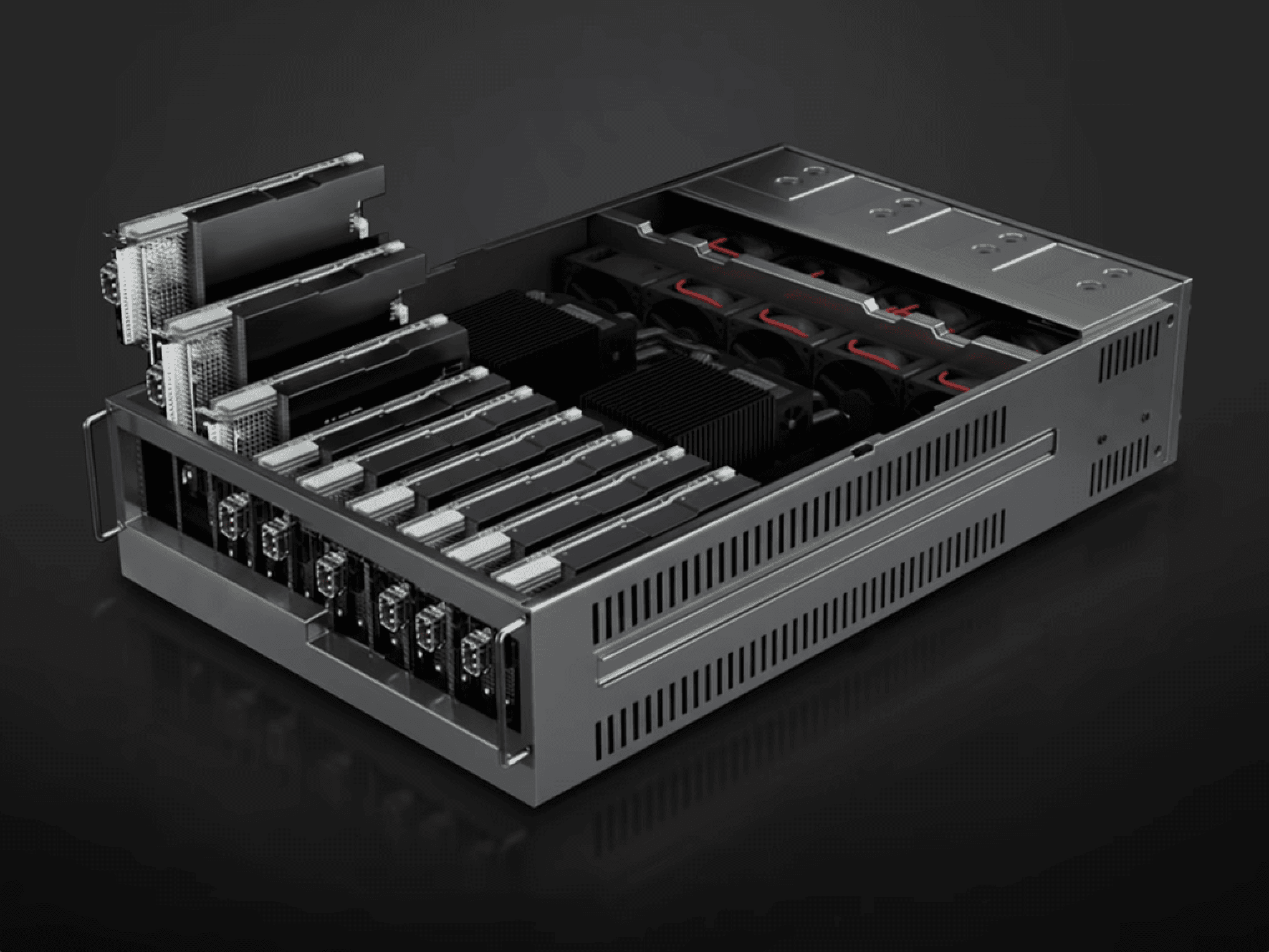
Cloud & Data Centers
With high performance of up to 400 Gb/s throughput, it enables secure local cloud storage, edge buffering, and real-time analytics. This supports use cases such as encrypted backups, multi-tenant cloud isolation, and secure AI workloads.
Cloud & Data Centers
With high performance of up to 400 Gb/s throughput, it enables secure local cloud storage, edge buffering, and real-time analytics. This supports use cases such as encrypted backups, multi-tenant cloud isolation, and secure AI workloads.
Cloud & Data Centers
With high performance of up to 400 Gb/s throughput, it enables secure local cloud storage, edge buffering, and real-time analytics. This supports use cases such as encrypted backups, multi-tenant cloud isolation, and secure AI workloads.

Portable Encryption Device
Our standalone hardware device delivers powerful encryption in a compact design, fitting seamlessly into your pocket. Keep your data safe and portable effortlessly.
Portable Encryption Device
Our standalone hardware device delivers powerful encryption in a compact design, fitting seamlessly into your pocket. Keep your data safe and portable effortlessly.
Portable Encryption Device
Our standalone hardware device delivers powerful encryption in a compact design, fitting seamlessly into your pocket. Keep your data safe and portable effortlessly.
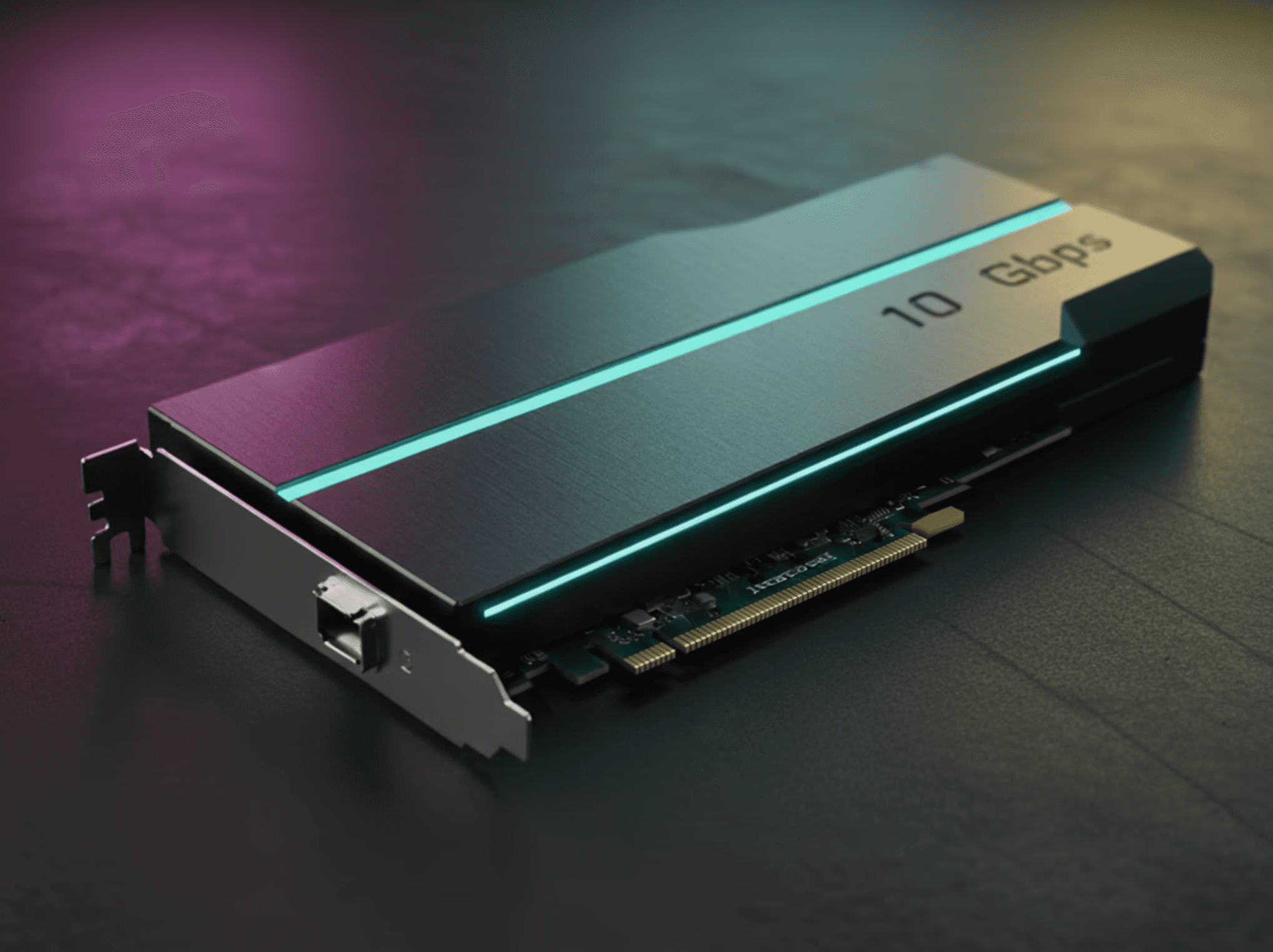
Desktop & Workstations
Compact PCIe solutions provide 1 Gb/s to 10 Gb/s secure links, ideal for developers, analysts, or government offices requiring hardware-grade protection on standard PCs without performance bottlenecks.
Desktop & Workstations
Compact PCIe solutions provide 1 Gb/s to 10 Gb/s secure links, ideal for developers, analysts, or government offices requiring hardware-grade protection on standard PCs without performance bottlenecks.
Desktop & Workstations
Compact PCIe solutions provide 1 Gb/s to 10 Gb/s secure links, ideal for developers, analysts, or government offices requiring hardware-grade protection on standard PCs without performance bottlenecks.
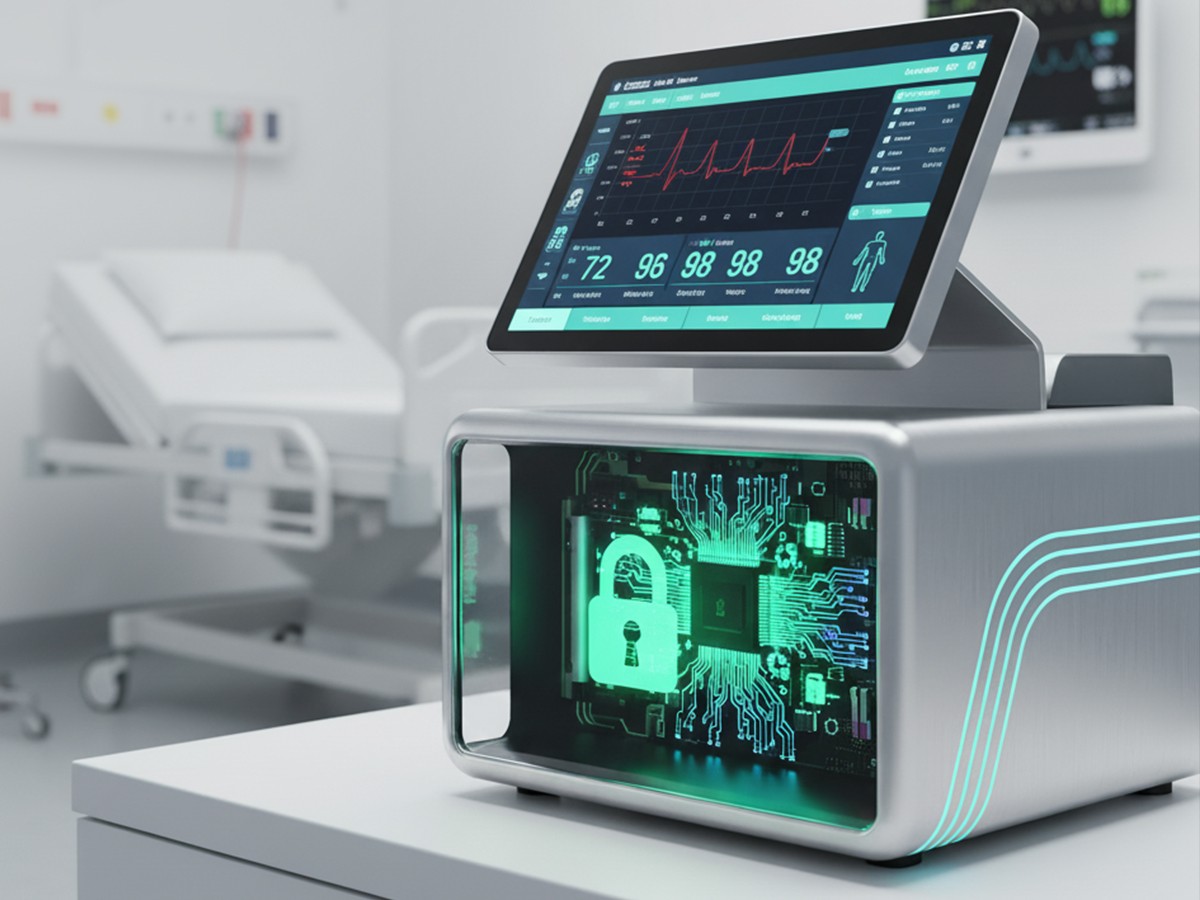
Medical Equipment
Custom module safeguard patient monitoring systems, diagnostic machines, and connected surgical tools, ensuring compliance with HIPAA, GDPR, and other medical data protection standards while maintaining real-time responsiveness.
Medical Equipment
Custom module safeguard patient monitoring systems, diagnostic machines, and connected surgical tools, ensuring compliance with HIPAA, GDPR, and other medical data protection standards while maintaining real-time responsiveness.
Medical Equipment
Custom module safeguard patient monitoring systems, diagnostic machines, and connected surgical tools, ensuring compliance with HIPAA, GDPR, and other medical data protection standards while maintaining real-time responsiveness.
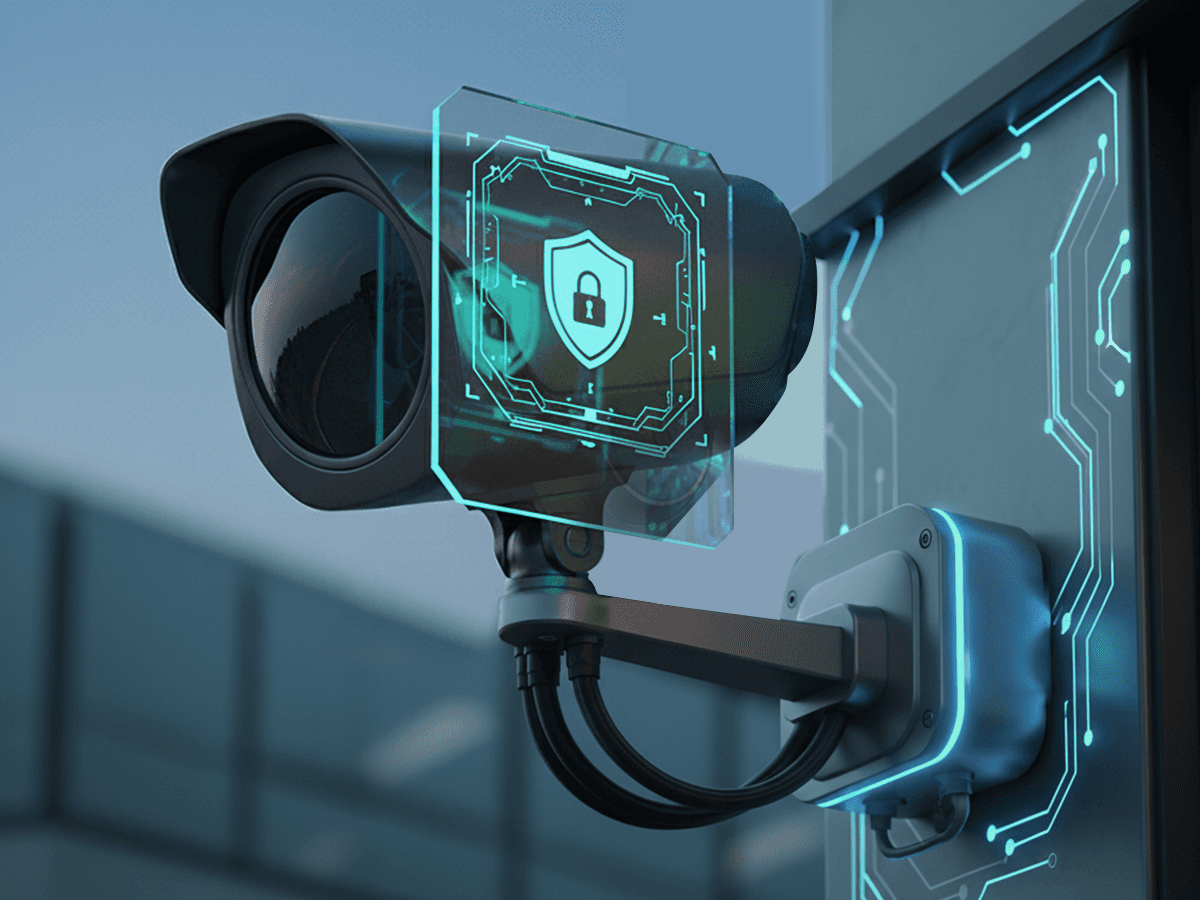
CCTV &
Video Networks
Encryption modules secure IP cameras and NVRs, ensuring video feeds remain confidential and tamper-proof, a critical requirement for law enforcement, airports, and smart city surveillance.
CCTV &
Video Networks
Encryption modules secure IP cameras and NVRs, ensuring video feeds remain confidential and tamper-proof, a critical requirement for law enforcement, airports, and smart city surveillance.
CCTV &
Video Networks
Encryption modules secure IP cameras and NVRs, ensuring video feeds remain confidential and tamper-proof, a critical requirement for law enforcement, airports, and smart city surveillance.
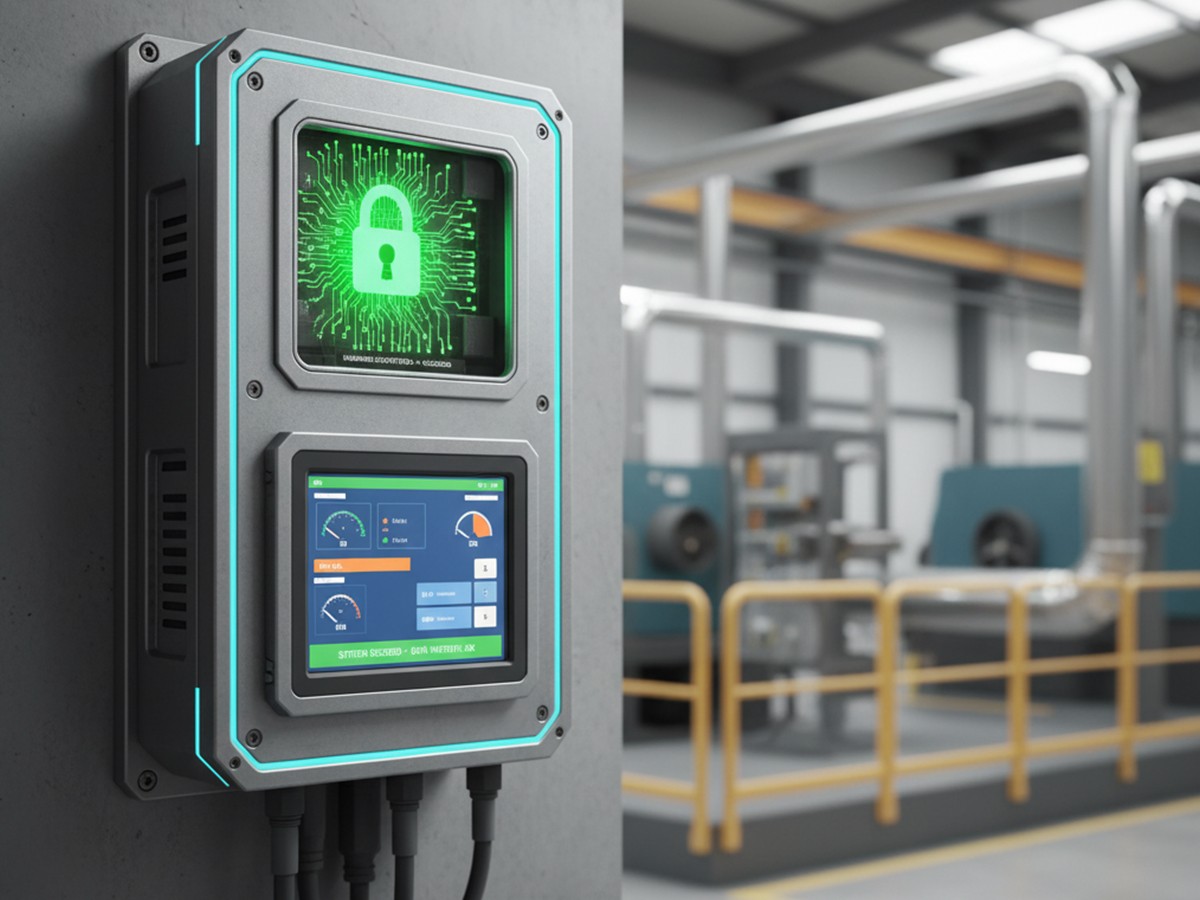
Industrial Control &
Edge Devices
Rugged and efficient hardware ensures reliable encryption at the edge, protecting sensitive industrial data in real time. Ideal for critical infrastructure, automation systems, and distributed edge environments
Industrial Control &
Edge Devices
Rugged and efficient hardware ensures reliable encryption at the edge, protecting sensitive industrial data in real time. Ideal for critical infrastructure, automation systems, and distributed edge environments
Industrial Control &
Edge Devices
Rugged and efficient hardware ensures reliable encryption at the edge, protecting sensitive industrial data in real time. Ideal for critical infrastructure, automation systems, and distributed edge environments
System Architecture
Management and Telemetry
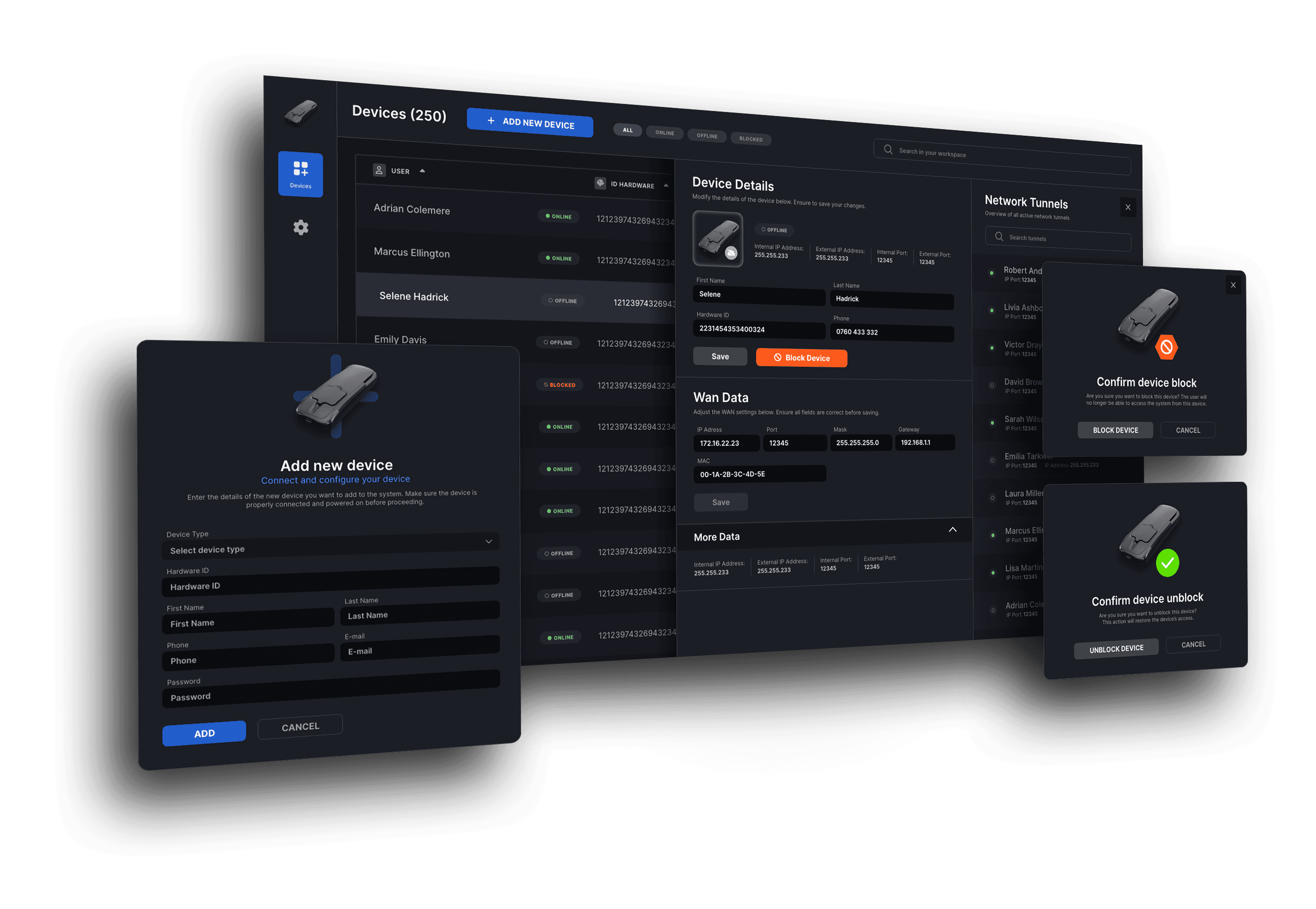
The CMS provides unified oversight of the Relay and all Clients. From a single dashboard, administrators can configure devices, monitor tunnel states, and receive real-time telemetry.
Each device reports bandwidth utilization, jitter, error counts, temperature, power draw, TRNG health, and tunnel status. Hardware-enforced policy ensures bandwidth caps, tunnel limits, and access rules are executed directly in FPGA logic.
Encryption
Solution
with QUANTUM-RESILIANT ALGORITHM
This system delivers a completely hardware-only encryption platform designed to remain secure even in the quantum era. While traditional public-key and software-based methods are becoming increasingly vulnerable, our architecture is post-quantum resistant by design.
Encryption
Solution
Encryption
Solution
with QUANTUM-RESILIANT ALGORITHM
with QUANTUM-RESILIANT ALGORITHM
This system delivers a completely hardware-only encryption platform designed to remain secure even in the quantum era. While traditional public-key and software-based methods are becoming increasingly vulnerable, our architecture is post-quantum resistant by design.